Before launch day, a product startup needs four things: a brand identity, a website, a launch film and launch content. All four should come from one visual direction, because to your first users they are one thing. They don't see a logo, a site and a video. They see your company.
Maybe you just raised your pre-seed. Maybe you built the product yourself with AI tools, it works, and it has no logo and a template landing page. Either way the product is ready and the launch isn't. This guide walks through what each piece should include, the order that saves you rework, and the honest options for getting it made.
Why most startup launches feel disconnected
The usual pattern: a logo from one freelancer, a site from a template or a second freelancer, a video from a third. Each piece is fine on its own. Together they look like three companies.
It happens because each piece gets briefed separately, and nobody owns the whole. The fix isn't more budget. It's order. Decide the visual direction once, then let every later piece inherit it.
1. Brand identity: start with the product, not the logo
Your identity is the system everything else is built from: logo, colour, type, imagery and a short set of guidelines anyone on your team can follow.
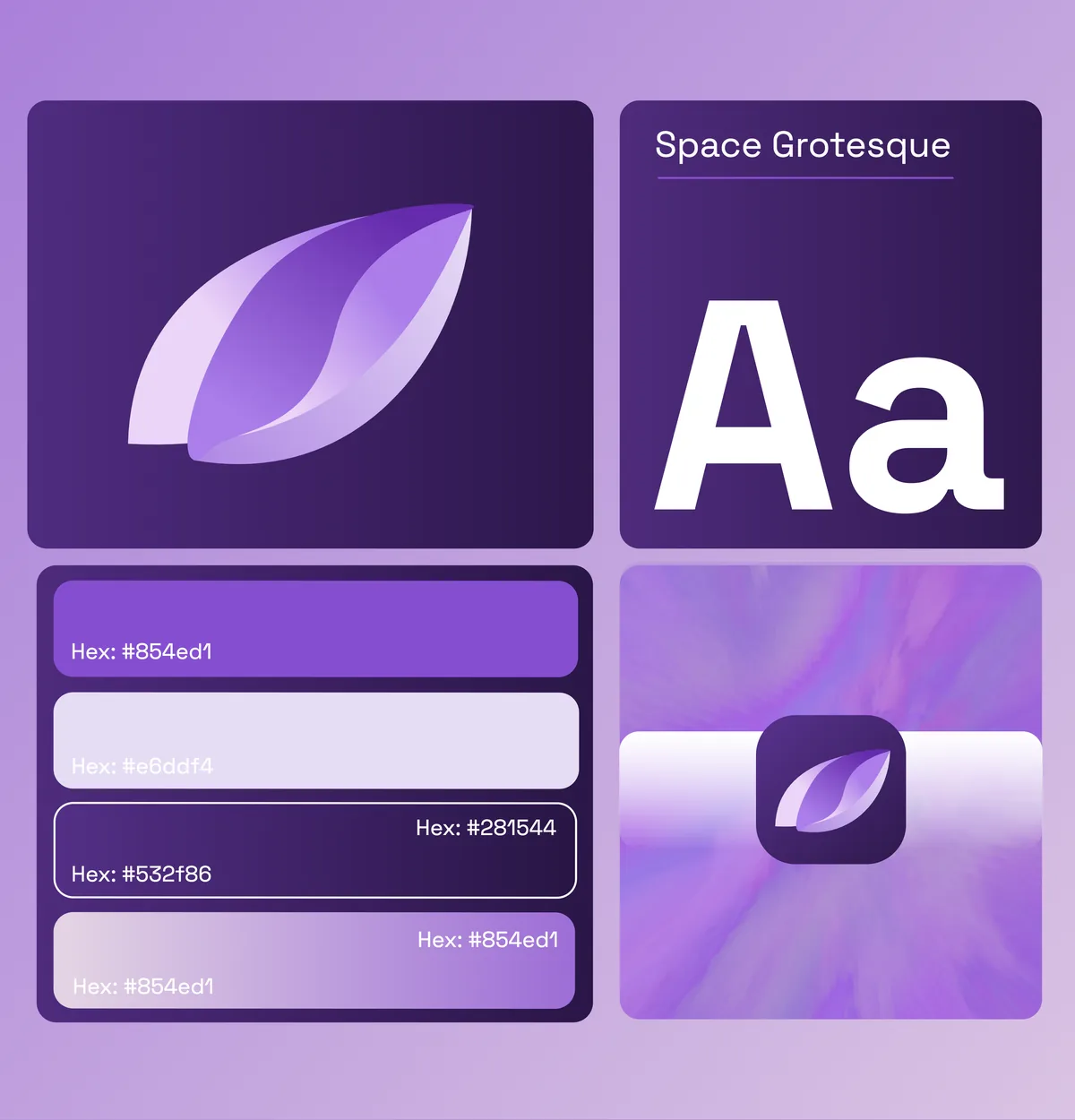
The common mistake is starting with the logo, or with a style you saw on another startup's site. Start with the product instead. Answer three questions before anyone opens a design tool:
- What does the product actually do?
- What does it promise the person using it?
- What should it feel like to use? Calm, fast, playful, precise?
The visual style comes out of those answers. Vector or image-based, flat or textured, which effects and which kind of imagery. A developer tool that promises precision should not look like a wellness app, even if both are on trend. When the style is derived from the product, the identity means something, and it's much easier to extend later. You can see this approach in the Portals identity, where the style came from what the editor does.
No logo yet? That's normal at this stage. A logo is easier to get right once you know what the product does and how it should feel, so it belongs inside the identity work, not before it.
Already have a name? Keep it. Building the identity around an existing name is faster than renaming.
Your identity is ready when you have: a logo system (full, compact, icon), a colour palette, two typefaces at most, an imagery direction, and guidelines short enough that someone will read them.
2. Startup website: show the real product
Your website is where every launch post, film and DM points. It has two jobs: feel like the brand, and turn a visitor into a signup.
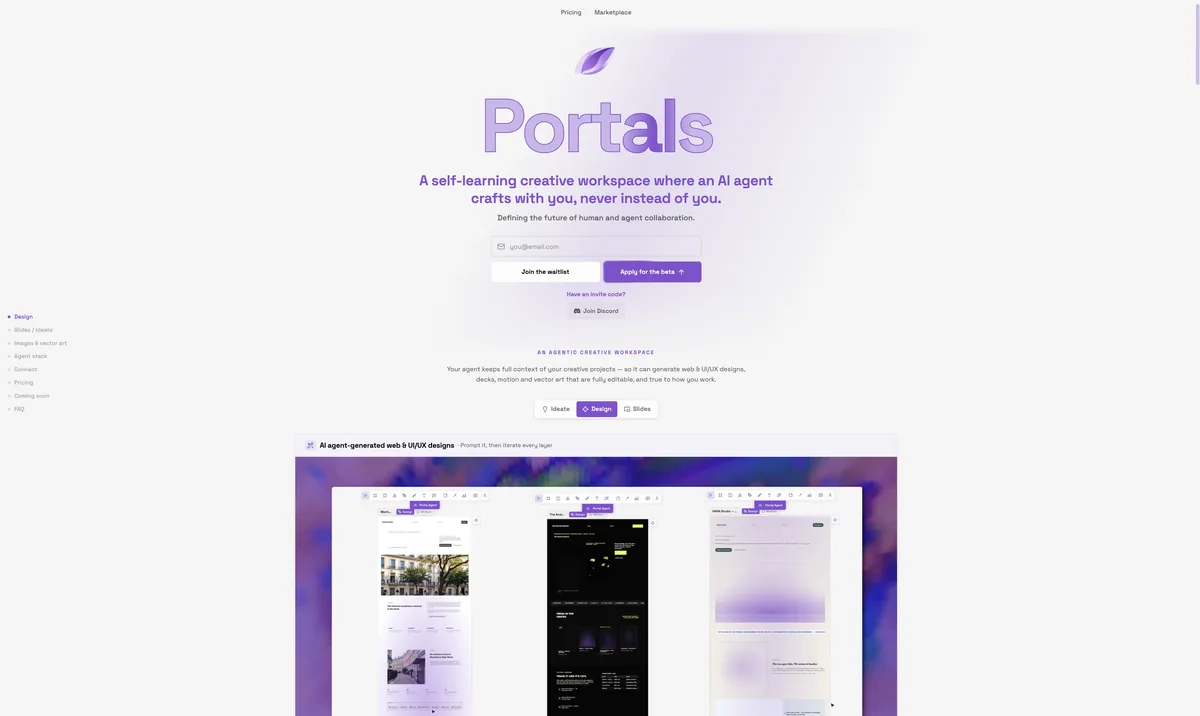
The biggest upgrade most startup sites can make is showing the real product. Use your own screen recordings and screenshots instead of stock mockups or abstract 3D shapes. A ten-second clip of the product doing the thing explains more than a paragraph of copy, and it's proof the product exists.
Three more things to check before launch:
- One clear action. Waitlist, signup or demo. Pick one and make it the main button.
- You can edit it yourself. You will change the headline ten times in the first month. If every change needs a developer, it won't happen.
- It loads fast on a phone. Most launch traffic comes from social, and social is mobile.
Your website is ready when it's live, it uses the identity, it shows the real product, it has one clear call to action, and you can edit it without help.
3. Launch film: a 30 to 60 second story
The launch film is the piece people share. Thirty to sixty seconds, built to be watched on a feed without sound.

A good launch film needs a script, and a script needs a story. The simplest structure that works:
- The need. Something your user struggles with today.
- The product. How it solves that, shown on screen.
- The vision. Where this goes, and why it matters.
Get the story right on paper before anything gets animated. Most weak launch videos are weak scripts with good animation on top.
Then the visual identity moves. How the logo animates, how colours and type behave, how the UI transitions. Treat this as a motion system rather than a one-off: once the rules exist, every product update video after launch is faster to make and looks like it belongs.
Do you need a film shoot? Usually not. A motion-design launch film needs no crew, no location and no founder on camera, which keeps the cost and timeline predictable. Live action makes sense when the product is physical or the founder is the story. For most software products, the product is the story.
Your launch film is ready when you have: a script with a clear need, product and vision, a 30 to 60 second film with captions, a vertical cut for social, and motion rules you can reuse.
4. Launch content: plan the week, not just the day
Launch day is one day. The week after decides whether anyone remembers it.
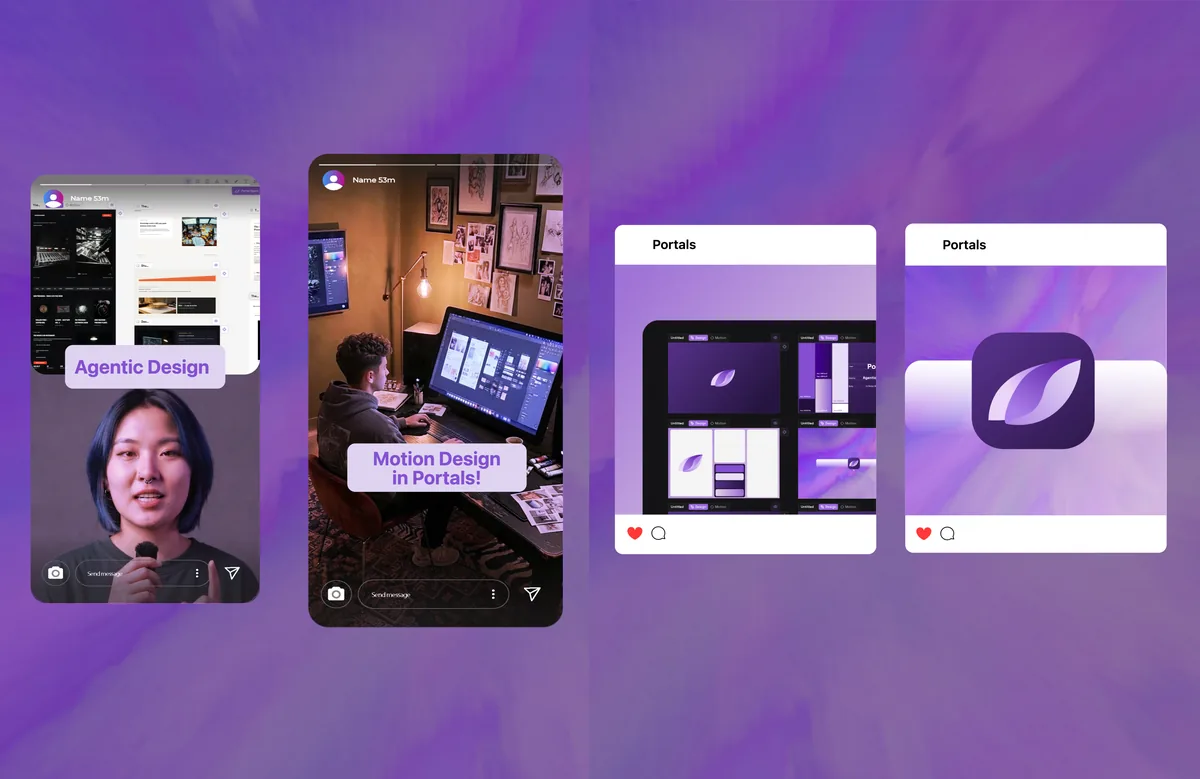
Launch content takes the identity into every format you'll post in: the announcement post, reels and shorts cut from the launch film, carousels that explain one feature each, and a longer breakdown for the people who want detail. Build these as templates, so your team can keep posting in the same look after the launch.
The content that travels furthest usually connects your product to a conversation people are already having on social, rather than announcing into silence. Find that conversation before launch day and write your first week around it.
Your launch content is ready when you have the announcement post, at least five pieces scheduled for the first week, editable templates, and a clear idea of which conversation you're joining.
The order that saves you rework
Do it in this order: identity, then website, then launch film, then launch content. Each step uses the one before it. The site needs the identity. The film needs the site's product shots and the identity's motion rules. The content is cut from the film.
Reverse the order and you redo work. A video made before the identity is final usually gets remade.
How long does it take? About six weeks for all four is realistic when one team does it and feedback comes back within a few days. Split across separate vendors, plan for longer, because each handover adds waiting time.
Your options for getting it made
There's no single right way. It depends on your budget, your time and how much you care about the pieces matching.
| Option | Typical cost | Good for | Watch out for |
|---|---|---|---|
| Do it yourself with AI tools and templates | Low | Very early tests, pre-launch waitlists | Looks like everyone else using the same tools; your time is the real cost |
| Separate freelancers per piece | Medium | Founders who enjoy managing projects | Four briefs, four styles; you become the art director |
| One studio for all four | Higher upfront | Teams that want one direction and one owner | Check they've actually shipped all four, not just one |
If you hire, whoever you pick, ask to see a launch where they did identity, site and motion for the same product. That's the fastest way to know whether the pieces will match.
Case study: how Portals launched
Portals is a self-learning creative workspace: a design editor and a motion editor with an agent that works with you, never instead of you. It spent two years in stealth, then needed an identity, a home, a story and an audience before launch. It went through the same four stages in the same order.
- Portals brand identity: how the identity was derived from what the product does
- Portals website: built around the real product
- Portals launch film: the identity turned into a motion system
Your startup launch checklist
- Identity: logo system, colour, type, imagery, short guidelines
- Website: live, on-brand, real product shown, one clear action, editable by you
- Launch film: a script with need, product and vision; 30 to 60 seconds; captions; vertical cut
- Launch content: announcement, first-week posts scheduled, templates
- One visual direction connecting all four
- Every source file in your hands
Launching soon?
If you'd rather hand the whole thing to one team, Asquareportal's Launch service covers all four stages for product startups, from identity to first-week content, at a fixed price with a schedule agreed before work starts. Each stage is also available on its own. Book a free 30-minute call and tell me where you are and what's still missing.